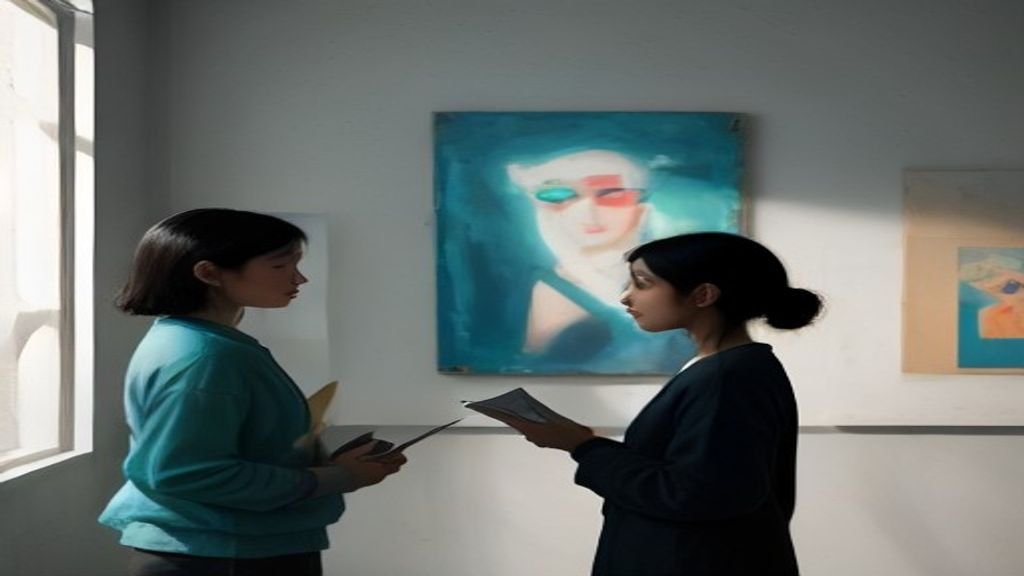
The Ohio State Fair’s 2026 poster contest faced unexpected controversy when an AI-generated entry won first place, sparking debate over the role of artificial intelligence in artistic competition. The fair announced in 2024 that AI use would be allowed if properly disclosed, but now plans to ban it entirely by 2027, citing a need to protect traditional art forms and ensure fairness for human artists.
This shift highlights a growing tension between innovation and tradition in creative fields. As the rules evolve, understanding how AI impacts art and what it means for creators becomes critical for anyone navigating the intersection of technology and creativity.
AI Art Wins a Prestigious Contest, But What Does It Mean for Creativity?
An AI-generated poster has won a major art competition, sparking debate about the role of AI in creative industries and the future of human artistry. The Ohio State Fair’s 2026 poster contest, which allowed AI use if properly disclosed, now faces a shift in rules, with a complete ban on AI by 2027. This move signals a growing push to preserve traditional artistry and ensure human creators remain central to creative fields. While AI can produce compelling visuals, it raises questions about originality, authorship, and the value of human creativity in art.

The Rise of AI in Art Competitions
AI-generated art is becoming a common entry in competitions
AI-generated art is no longer an anomaly in creative contests. It is now a regular presence, with tools capable of producing high-quality visuals that rival human work. This trend is reshaping the landscape of artistic competition, as more entries incorporate AI in some form. The Ohio State Fair’s 2026 poster contest is a case in point, where an AI-generated entry won first place, signaling a shift in how contests are being judged and how art is being created.
Judges are struggling to differentiate between human and AI work
The increasing use of AI in art has created a challenge for judges who must assess entries based on creativity, originality, and skill. Distinguishing between work done by humans and that produced by AI is becoming increasingly difficult, especially as AI tools improve. This blurring of lines raises questions about the value of human input and the criteria used to evaluate artistic merit in competitions.
The Ohio State Fair is rethinking its rules for 2027
In response to the controversy, the Ohio State Fair has announced plans to prohibit AI use entirely in its contests by 2027. This decision reflects a broader effort to protect traditional art forms and ensure that human artists remain central to creative industries. The fair will be reevaluating its rules and processes, with a clear commitment to celebrating Ohio artists through competitions that emphasize human creativity and craftsmanship.
What This Means for Businesses and Creatives
AI may disrupt traditional art and design workflows
The Ohio State Fair’s decision to ban AI in its 2027 poster contest signals a broader concern: AI-generated content is changing how creative work is produced and valued. Traditional design workflows, which rely on human skill and originality, may be at risk of being overshadowed by AI tools that can generate visuals quickly and at scale. This shift challenges industries that depend on human creativity, from advertising to product design.
Businesses must prepare for AI-generated content in marketing and branding
Marketers and brand managers cannot ignore the growing role of AI in content creation. As AI tools become more sophisticated, they will be used more frequently in campaigns, logos, and promotional materials. Companies that fail to adapt risk falling behind competitors who leverage AI to produce high-quality visuals faster and more affordably. The challenge is to balance efficiency with brand authenticity.
Creative professionals need to adapt and upskill
Artists, designers, and other creative professionals must rethink their value proposition in an AI-driven world. The ability to collaborate with AI tools, rather than being replaced by them, will be a key differentiator. Upskilling in AI-assisted design, storytelling, and strategic creative direction is not optional, it’s essential. Those who resist change risk being left out of the evolving creative economy.
The Ohio State Fair’s Response to AI in Art
The fair will ban AI in its 2027 contests
The Ohio State Fair has confirmed that AI will no longer be permitted in its poster contest starting in 2027. This decision comes after the 2026 contest, where an AI-generated entry won first place, prompting a reevaluation of the rules. The fair is taking a firm stance to protect traditional art forms and ensure that human artists have a fair chance in competitions. This move reflects a broader concern about the impact of AI on creative industries and the need to preserve the value of human creativity.
Other competitions are already AI-free
Several other competitions at the Ohio State Fair have already prohibited the use of AI. These include the fine arts exhibition, creative arts competitions, mural contest, and plein air painting. By maintaining AI-free rules in these contests, the fair is ensuring that human artists remain at the center of creative expression. This approach helps maintain the integrity of traditional art and provides a level playing field for all participants.
Fair organizers are seeking feedback from artists and the public
The Ohio State Fair is actively seeking input from artists and the public to shape the future of its contests. This includes feedback on how to best balance innovation with tradition in the context of AI. The fair acknowledges that the use of AI in creative fields is evolving rapidly and wants to ensure that its rules reflect the needs and concerns of the artistic community. By engaging with stakeholders, the fair aims to create a framework that supports both human creativity and the responsible use of technology.
Ready to find AI opportunities in your business?
Book a Free AI Opportunity Audit. It is a 30-minute call where we map the highest-value automations in your operation.
What’s Next for AI in Creative Industries
AI may become a tool for artists, not a replacement
AI is unlikely to replace human artists but could become a powerful tool in their workflow. Designers and creators can use AI to generate ideas, refine concepts, and streamline repetitive tasks, allowing more time for original thinking and execution. The Ohio State Fair’s decision to ban AI by 2027 doesn’t mean the technology will disappear, it means the industry is looking for ways to integrate it responsibly.
Businesses must find the right balance between AI and human creativity
Companies in creative fields need to define how AI fits into their processes without undermining the value of human input. AI can handle tasks like generating drafts or optimizing visuals, but the final creative direction, emotional depth, and originality must remain with human creators. The challenge is to ensure AI enhances, rather than replaces, the human touch in design and art.
Regulations and ethical considerations will shape AI’s role in art
As seen with the Ohio State Fair’s reevaluation of its rules, regulations will play a growing role in governing AI’s use in creative industries. Ethical concerns around authorship, originality, and fair competition will drive policy changes. Businesses must stay ahead of these shifts by preparing for stricter guidelines and ensuring their use of AI aligns with evolving standards. The future of AI in art won’t be defined by its capabilities alone, but by how it’s governed and used responsibly.
Source: ohiostatefair.com