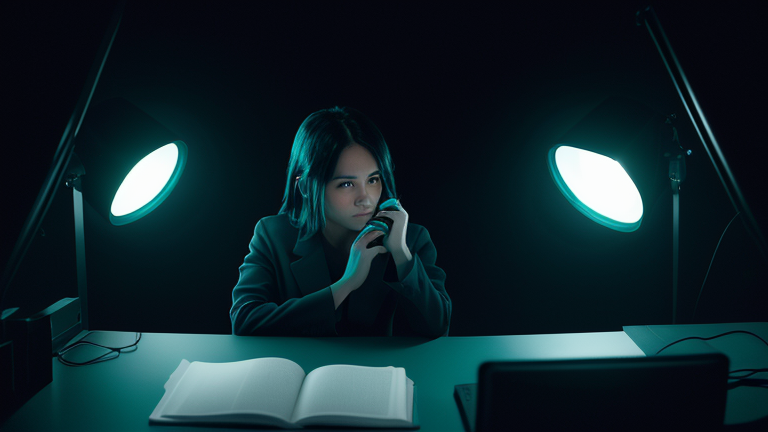
A blog post with AI-generated images feels like a conversation with a ghost. I’ve scrolled past countless articles where the visuals are clearly algorithmic output, and it makes me question whether the content itself was written by a human at all. On Hacker News, one reader put it plainly: they’d rather see a rough Microsoft Paint drawing than an AI-generated image, because at least the former proves a real person was involved.
This post will explain why AI-generated blog images can erode trust and why authenticity matters more than ever. You’ll learn how to spot these images, why they’re a red flag for readers, and what real human creativity brings to the table, without ever mentioning AI.
The Authenticity Gap: Why AI Images Turn Readers Away
Readers are increasingly tuning out blogs that use AI-generated images, seeing them as a shortcut that undermines the value of real human effort. When you see a blog post with an AI-generated image, it raises a red flag, not just about the visuals, but about the content itself. One Hacker News user put it plainly: they’d rather see a rough Microsoft Paint drawing than an AI-generated image, because at least the former proves a real person was involved. This isn’t just about aesthetics, it’s about trust. If you’re an operations leader or quality manager, your audience wants to know they’re getting real insights, not algorithmic output disguised as expertise.
Why Real Human Creativity Matters in Content Creation
The trust factor of human-made visuals
Human-made visuals carry an inherent trust factor that AI-generated images lack. When readers see a hand-drawn image or a photo taken by the author, it signals effort, intention, and a personal connection. This is not just about aesthetics, it’s about credibility. A blog that shows the real work behind its content builds a stronger relationship with its audience, especially in fields like operations and manufacturing where trust is critical.
AI-generated images, on the other hand, can feel impersonal and detached. They suggest a shortcut, a way to produce content without the messy, human part of the process. And that’s exactly what readers are picking up on. One Hacker News user put it plainly: they’d rather see a rough Microsoft Paint drawing than an AI-generated image, because at least the former proves a real person was involved.
AI images vs. hand-drawn content
Hand-drawn content, even if it’s not perfect, shows the human side of content creation. It’s a small but meaningful way to demonstrate that the author is invested in their work. AI images, by contrast, can make readers wonder if the text was also generated by an algorithm. This creates a disconnect between the visual and the message, weakening the overall impact of the blog post.
In a world where AI content trends are rising, standing out with authenticity is more important than ever. Readers are not looking for perfection, they’re looking for proof that a real person was behind the content.
Indie blogs and the importance of authenticity
For indie blogs, authenticity is not just a preference, it’s a necessity. These blogs rely on building a personal brand and cultivating a loyal audience. Using AI-generated images can undermine that effort, making the blog feel less genuine and more like a mass-produced template.
Authenticity builds trust, and trust leads to engagement. In a crowded content landscape, indie bloggers who show their human side, through visuals, writing, and personal stories, are the ones who stand out and make a lasting impact.
The Hidden Risks of AI Images in Personal Blogs
How AI images can signal inauthenticity
AI-generated images can act as a silent signal to readers that the content may lack genuine human involvement. When a blog post features a perfectly composed AI image, it raises questions about the authenticity of the text. One Hacker News user put it plainly: they’d rather see a rough Microsoft Paint drawing than an AI-generated image, because at least the former proves a real person was involved.
The perception of effort and value
Readers associate AI images with minimal effort and lower value. A hand-drawn sketch or a real photo shows the author’s time and thought. An AI image, no matter how polished, can feel like a shortcut. This perception affects how readers value the content, especially in professional fields where credibility is key.
Reader expectations for indie content
Indie bloggers are expected to bring a personal touch. AI images contradict that expectation. They make readers wonder if the writer is even present. In a world where authenticity is a competitive edge, using AI images can alienate the very audience you’re trying to engage.
Practical Alternatives to AI-Generated Images
Using hand-drawn or simple tools like Microsoft Paint
Hand-drawn visuals or images created with basic tools like Microsoft Paint can be surprisingly effective. They show effort and a personal touch, which builds trust. One Hacker News user stated they’d rather see a rough Microsoft Paint drawing than an AI-generated image because it proves a real person was involved. These visuals don’t need to be perfect, they just need to be real.
Collaborating with real artists or designers
If you have the budget, working with real artists or designers adds value and credibility. They bring a unique perspective and can create visuals that align with your brand’s voice. This approach avoids the impersonal feel of AI-generated images and ensures your content stands out in a crowded digital space.
Leveraging stock photos with a human touch
Stock photos can be a good option if used thoughtfully. Choose images that feel authentic and relevant to your content. Avoid overly polished or generic visuals that feel like they could have been created by an algorithm. The goal is to find images that enhance your message without undermining your authenticity.
Ready to find AI opportunities in your business?
Book a Free AI Opportunity Audit. It is a 30-minute call where we map the highest-value automations in your operation.
What the Future Holds for Blog Content Creation
The evolving role of AI in content creation
AI will continue to play a growing role in content creation, but its value depends on how it’s used. Tools like AI-generated blog images can save time, but they risk alienating readers who crave authenticity. The key is to use AI as a support, not a replacement, for human creativity. As one Hacker News user put it, they’d rather see a rough Microsoft Paint drawing than an AI image because it proves a real person was involved.
Striking the right balance between efficiency and authenticity
Efficiency is important, but it shouldn’t come at the cost of trust. Bloggers can use AI for tasks like image resizing, text formatting, or generating placeholder visuals, but when it comes to core content, human involvement matters. Real effort, real perspective, real personality, these are what readers are looking for. If you use AI for everything, you risk being seen as a ghost in the machine.
Building a loyal audience through real human effort
A loyal audience is built on trust, and trust is built on authenticity. Readers want to connect with real people, not algorithms. When you put in the effort, whether it’s drawing a rough sketch, taking a photo, or writing from personal experience, you show that you care. This builds a stronger relationship with your audience, especially in fields like operations and manufacturing where credibility is everything.
Source: nelson.cloud