
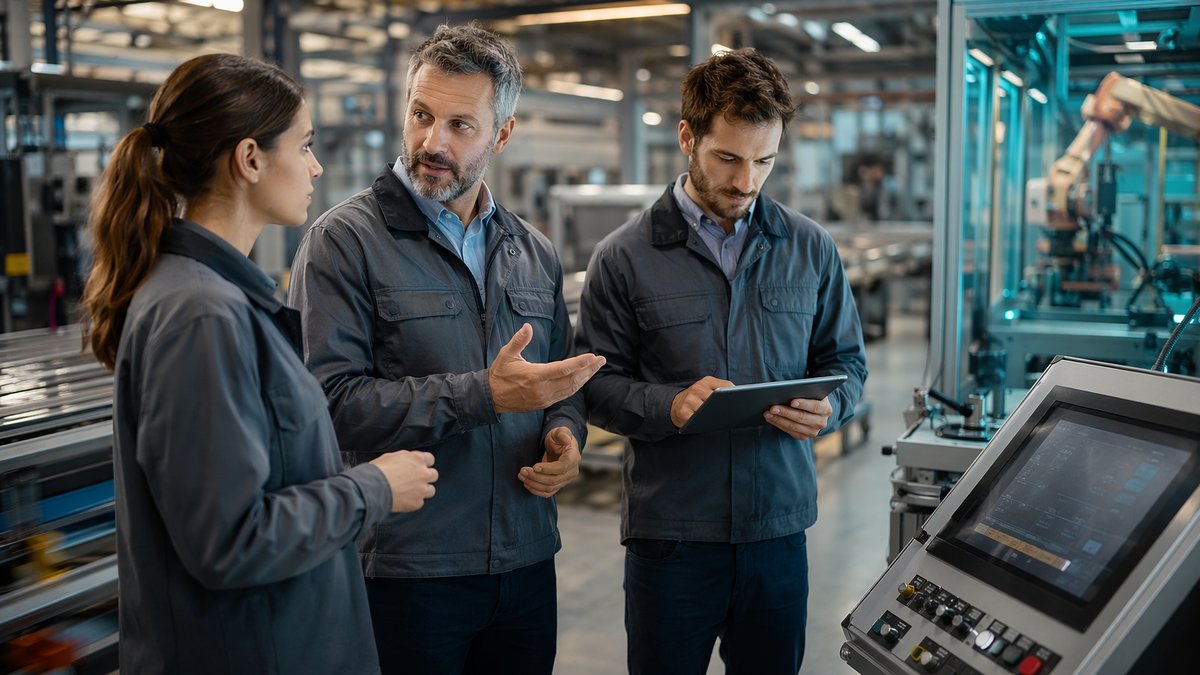
AI adoption in manufacturing delivers faster results than any manager or dashboard ever could, but you risk flattening the human stories that have fueled your plant’s best ideas. Shawn Smucker’s reflection on using AI for everything, right down to the words at your child’s wedding, shows what happens when we cut out the messy, inefficient human connections. The same thing is happening on your factory floor: every process that goes fully digital threatens to erase the quick conversations and shared grit behind breakthrough quality.
If you want the big efficiency gains from AI without losing the talent and knowledge only people provide, you need a practical plan. This article gives you real steps to keep human moments in the loop while hitting your ROI targets for AI adoption in manufacturing.
AI Is Everywhere, But Efficiency Comes at a Human Cost
Automation is relentless. For manufacturing leaders, the demand to reduce manual work and increase throughput now means AI tools are present in every corner of production. The pressure is real: skip the extra meeting, skip the informal check-in, just feed the process into Chat or Gemini, and let the algorithms spit out perfect solutions. But something critical gets lost in this race for efficiency.
“Because who the hell has time to work at something, to give time to craft, to create with their own minds, to spend years being mediocre. Why do that when mastery, or at least competency is so simple only a good prompt away?”
Every time you automate a process or digitize a workflow, you risk erasing the quick conversations that catch the early defects and the shared moments that drive quality management. Efficiency is easy. Intentional connection is not. The leaders who ignore this balance will see sterile operations, disconnected teams, and fewer breakthrough ideas.
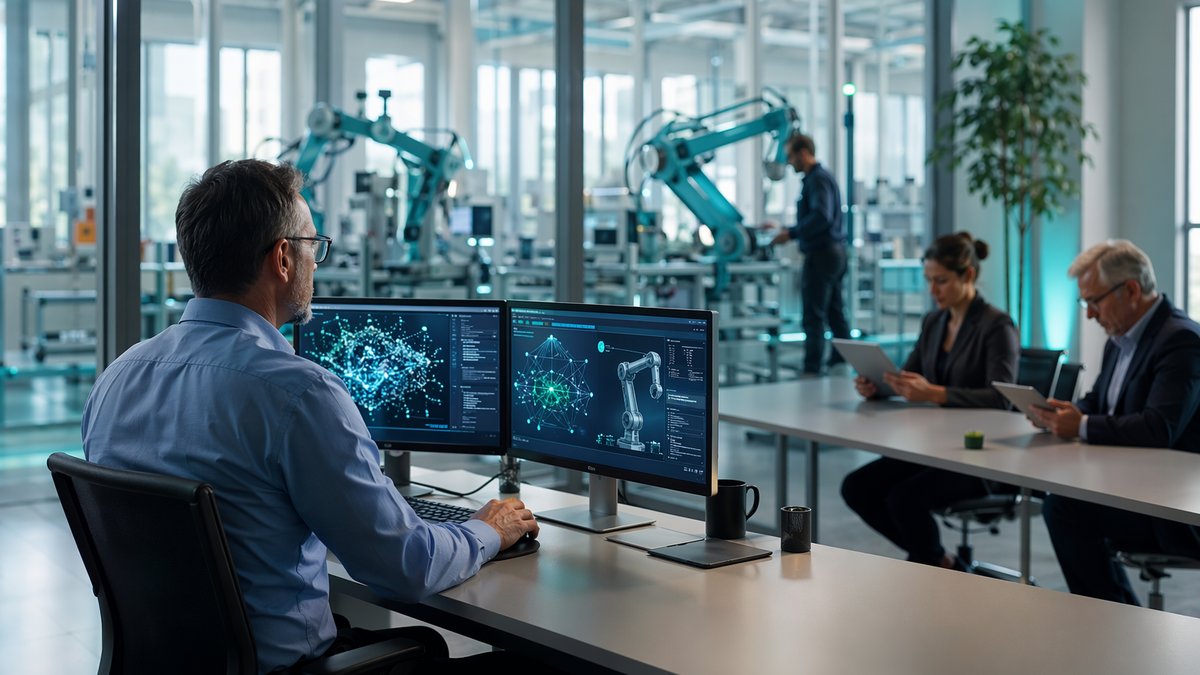
What Modern AI Really Delivers in Manufacturing Operations
Automated data capture and reduced manual reporting
AI tools strip hours of repetitive reporting from your team’s workload. Instead of chasing spreadsheets, sensors and connected devices feed raw process data into centralized systems like Siemens MindSphere or PTC ThingWorx. This means frontline supervisors track yield, downtime, and maintenance in real time, no more double-entry or lost paperwork. Automated analytics push early warnings for scrap and downtime, so team leads spend less time firefighting and more time planning.
- Production logs: Collected directly from machines, reducing back-office admin cycles.
- Compliance audits: Automatic traceability replaces binders and manual cross-checks.
- Shift handoffs: All process context is digital and searchable, cutting wasted minutes in every exchange.
Operations managers no longer scramble to pull together summary reports. Now, every key metric is accessible, ready for immediate decisions.
AI-driven quality control for faster, more reliable inspection
Vision inspection systems and machine learning push beyond human sampling. AI models flag defects, measure tolerance drift, and trigger corrective actions within seconds. Instead of waiting for a technician to eyeball every tenth widget, computer vision checks 100 percent of your output. This translates to more consistent quality and lower rework rates.
| Traditional Method | AI-Powered Inspection |
|---|---|
| Manual spot checks, slow and subjective | Continuous scanning, instant feedback, objective thresholds |
| Errors caught after batches accumulate | Defects flagged immediately before downstream impact |
Quality management gains bandwidth. These systems deliver the “perfect solutions” Shawn Smucker refers to, precision without the wasted hours. But while automated decisions are fast and repeatable, they leave little room for informal expertise or the intuitive catch that comes from years on the line.
A Hidden Risk: Losing Depth and Context in Decision-Making
Why human conversations matter, beyond efficiency
Every manufacturing plant relies on team knowledge that rarely makes it into dashboards. When you cut out the five-minute chat between a line supervisor and a technician, you lose more than just a social ritual. You lose context about why a quality problem keeps recurring every third shift or why a new machine isn’t reaching its expected throughput. AI can summarize data and flag outliers, but it cannot capture the reasons behind unspoken workarounds or the real impact of last-minute changes. Efficiency is only half the equation; consistent quality depends on nuanced communication that machines cannot replicate.
The impact of replacing experience with sterile automation
The drive for automation pushes manufacturers to trust algorithmic recommendations without asking hard questions. Smucker’s observation about AI-generated “sterile words of a machine that never lived” applies directly to frontline decisions. When veteran operators are sidelined by digital controls, their practical experience fades from the process. Over time, plants risk losing decades of tacit know-how, those judgment calls based on what success or failure really looked like in past runs. This thinning of context is subtle, but it can erode the culture that once drove both innovation and reliability.
- Supervisor feedback ignored: Frontline fixes and intuition no longer feed process improvement.
- Root causes misdiagnosed: Data-only analysis misses subtle cues, leading to repeated failures.
- Reduced trust across teams: When decisions come only from screens, credibility suffers.
AI adoption in manufacturing works best when it accelerates routine tasks but leaves room for real conversations. Executive leaders should treat automated recommendations as a starting point, not an answer. The moments lost in chasing only sanitized efficiencies can cost more in quality and resilience than any productivity gain.
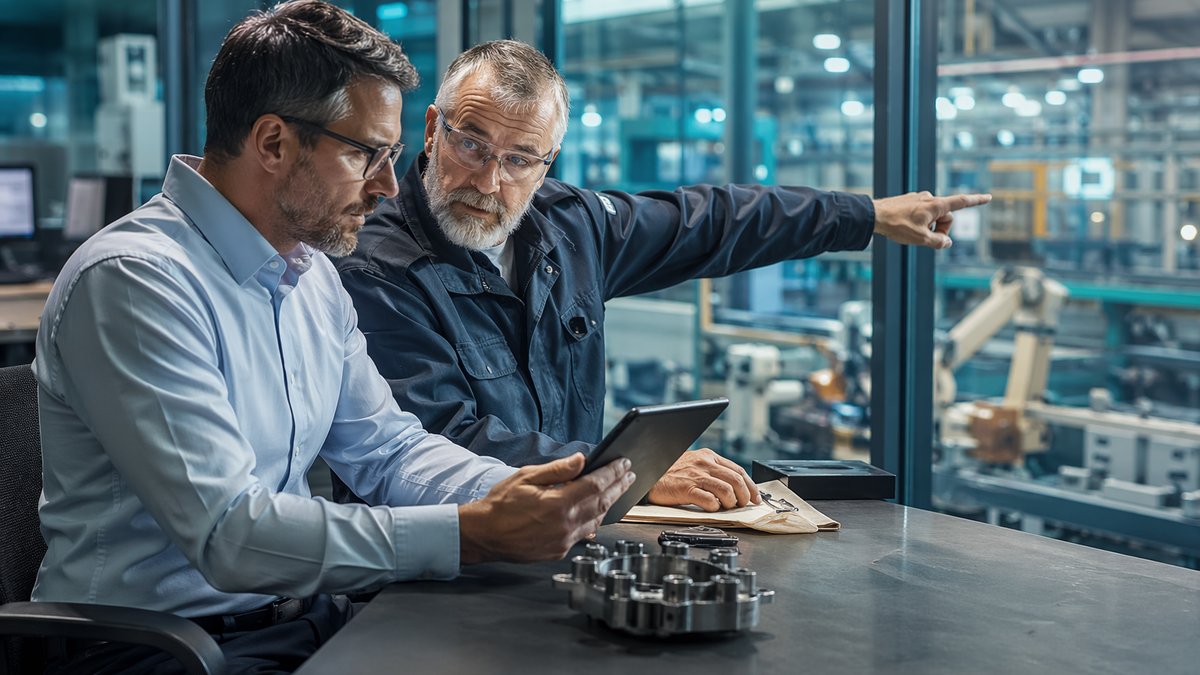
Practical Steps: How to Adopt AI Without Sacrificing Meaning
Set AI boundaries, identify key areas to automate
AI should step in where the work is repetitive, error-prone, or purely transactional. Start by mapping your production and quality management processes. Target tasks like logging batch results, scheduling preventative maintenance, or capturing sensor data for automated reporting. These are the spots where algorithms outperform humans and reduce manual work reliably. Avoid automating tasks that depend on tacit knowledge or informal problem-solving, areas where even the smartest tools, including platforms like Siemens MindSphere or PTC ThingWorx, fall short.
- Automate data capture: Sensor-driven, machine-readable, standardized for quick decisions.
- Keep root-cause conversations human: These sessions flag the context behind anomalies, which AI cannot reconstruct.
- Digitize routine scheduling: Let algorithms optimize shift, maintenance, and logistics planning, freeing up brainpower for strategic work.
Prioritize human-led review in quality and strategy decisions
AI can surface anomalies fast, but human operators and managers need to validate them. Instead of channeling every decision through a chatbot or analytics dashboard, build in structured checkpoints for conversations. As Shawn Smucker puts it, should we rely on “the sterile words of a machine that never lived, never had an original thought, never felt the pain of miscarriage or broken relationships or the joy of a friendship restored”? Your best insights come from reviewing AI’s flags in small groups: ask frontline teams to explain recurring defects or process slowdowns before applying software fixes.
- Schedule quality reviews: Set weekly meetings to interrogate flagged issues and validate recommended actions.
- Encourage informal check-ins: Use shop floor huddles or quick pauses to gather perspective from experienced line staff.
- Document collective decisions: Create short write-ups after each human-led review. Feed this context back to your digital systems so next AI run learns what matters most.
Efficiency is critical, but meaning comes from deliberate interaction. Protect core human knowledge channels while automating what holds your team back.
Ready to find AI opportunities in your business?
Book a Free AI Opportunity Audit. It is a 30-minute call where we map the highest-value automations in your operation.
Looking Ahead: Building a Culture That Combines AI and Human Expertise
Training teams to use AI thoughtfully
Smart manufacturing leaders recognize that digital tools are only as good as the people guiding them. Training must move beyond technical how-tos and teach when it actually makes sense to apply AI. Build workshops where technicians and operators learn to spot processes ripe for automation, but also train them to flag situations when human judgment or informal context is critical. Instead of running blanket software rollouts, work in cross-functional groups so tacit knowledge flows alongside machine recommendations. Use platforms such as Siemens MindSphere to show real-world scenarios, let teams see the gaps AI fills and where it falls short.
Fostering environments where human connection is still valued
High-functioning shops create space for unstructured conversations and real feedback, regardless of how slick their digital stack gets. This means carving out daily check-ins, informal stand-ups, or quick reviews in person, even if AI captures every metric perfectly. The value is not just the data, but the messy context and frustrations that drive root-cause innovation. Shawn Smucker’s words resonate for manufacturing leaders:
“No one wants to hear your words, the actual poorly written words of a parent (you) who changed hundreds of diapers for said child or fed them in the middle of the night from your actual body. Or cried when they were late home because you were positive they were dead.”
In operations, the equivalent is preferring lived experience over sterile output. Avoid designing processes that force every insight through a dashboard or prompt. Encourage floor-level peer reviews and informal story sharing about production mishaps or successes. Keep AI close to transactional tasks, but let humans drive nuanced decisions. This balance retains the gritty wisdom and camaraderie that no algorithm can manufacture.
Source: shawnsmucker.substack.com