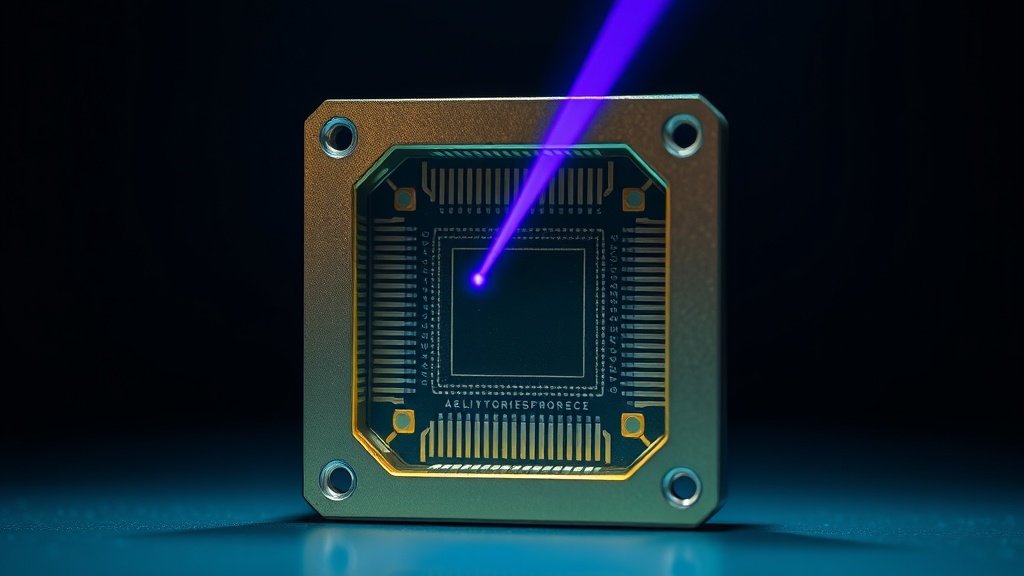

A U.S. Air Force F-16, modified with DARPA’s VENOM Autonomy Kit, is being flown by an AI agent in real-time combat scenarios, a feat that proves AI automation can control complex systems with precision and speed. Brig. Gen. James Valpiani calls this a “groundbreaking” step toward trusted autonomous air combat, showing how AI can be integrated into existing military hardware without overhauling core software. You’re seeing the same kind of precision and scalability applied in manufacturing today, where AI automation is streamlining operations and delivering measurable results.
This article shows how AI automation in manufacturing isn’t just a future possibility, it’s already working in real-world environments, much like the VENOM program. You’ll learn how to apply similar AI-driven efficiency to your production lines, reduce manual work, and boost ROI with practical, actionable steps.
The Gap Between Manual Work and AI-Driven Efficiency
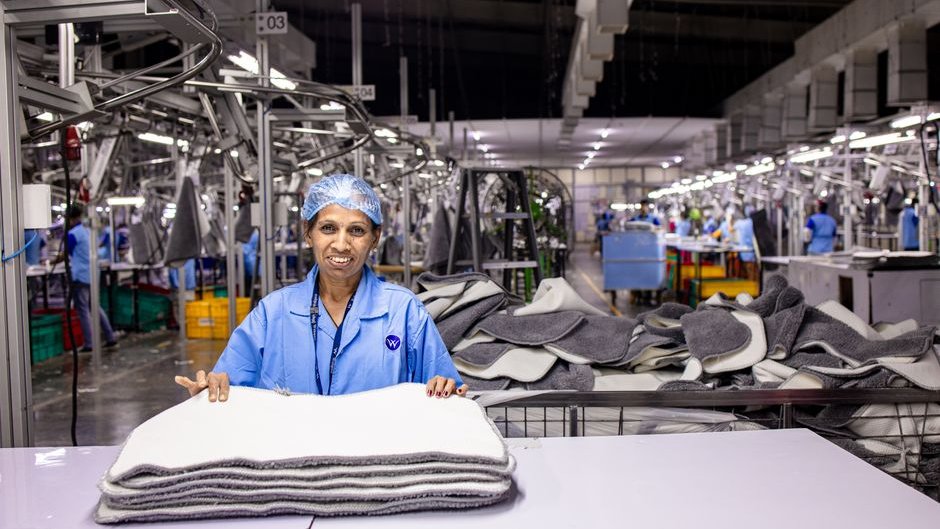
Quality managers and operations leaders spend hours on repetitive tasks that could be automated. This isn’t just inefficient, it’s a drain on resources and a bottleneck for innovation. In manufacturing, manual processes slow down production, increase error rates, and prevent teams from focusing on strategic goals. The VENOM program shows how AI can take over complex, real-time operations, like flight control, without disrupting existing systems. The same principle applies to manufacturing: AI automation can handle routine work, freeing up human expertise for higher-value tasks. The question isn’t whether AI can help, it’s whether leaders are ready to act.
How DARPA and the U.S. Air Force Are Pioneering AI Automation
The VENOM Autonomy Kit: A Breakthrough in AI Integration
The VENOM Autonomy Kit (VAK) is a modular system that turns standard F-16s into AI-controlled platforms without altering the jet’s core software. This approach proves AI can be integrated into existing systems efficiently, avoiding costly and time-consuming overhauls. The kit connects directly to flight controls and mission systems, enabling AI to manage complex tasks like navigation and combat maneuvers. This level of integration is a blueprint for manufacturing, where AI can be applied to current machinery without replacing it entirely.
Human-on-the-loop AI: Safe and Scalable for Combat
The VENOM program uses a “human-on-the-loop” model, allowing pilots to switch between manual and AI control with the flip of a switch. This ensures safety and provides a controlled environment for testing AI capabilities. It’s a scalable model that can be applied to manufacturing, where AI can assist human operators without removing them from the process. The system gives operators oversight and control, reducing risk while enabling AI to handle repetitive or dangerous tasks. This balance of automation and human oversight is key to successful AI transformation in any industry.
What This Means for AI Automation in Manufacturing
From Flight Controls to Factory Floors: AI Automation in Action
The VENOM Autonomy Kit proves that AI can be integrated into existing systems without overhauling core infrastructure. This is exactly what’s happening in manufacturing today, AI automation is being applied to factory floors to manage complex, real-time operations. Just as the VENOM program allows pilots to switch between human and AI control, AI systems in manufacturing can handle routine tasks while leaving strategic decisions to human operators.
AI automation is already reducing downtime, optimizing workflows, and improving system responsiveness. For example, AI can monitor production lines in real time, adjust parameters on the fly, and predict equipment failures before they occur. This level of responsiveness is not theoretical, it’s being implemented in factories across the globe.
How AI Can Streamline Quality Assurance and Reduce Errors
Quality control is one of the most error-prone and time-consuming aspects of manufacturing. AI can analyze data from sensors, cameras, and other monitoring tools to detect defects with far greater accuracy than human inspectors. This reduces waste, improves product consistency, and cuts costs.
Brig. Gen. James Valpiani noted that the VENOM program enables a “safe, reliable environment for human-on-the-loop experimentation.” Similarly, AI in quality control ensures that human oversight remains critical, but the burden of routine checks is shifted to automated systems. This approach has already been tested in real-world scenarios and is delivering measurable improvements in efficiency and accuracy.
Practical Steps to Implement AI Automation in Your Operations
Step 1: Identify Repetitive, Time-Consuming Tasks
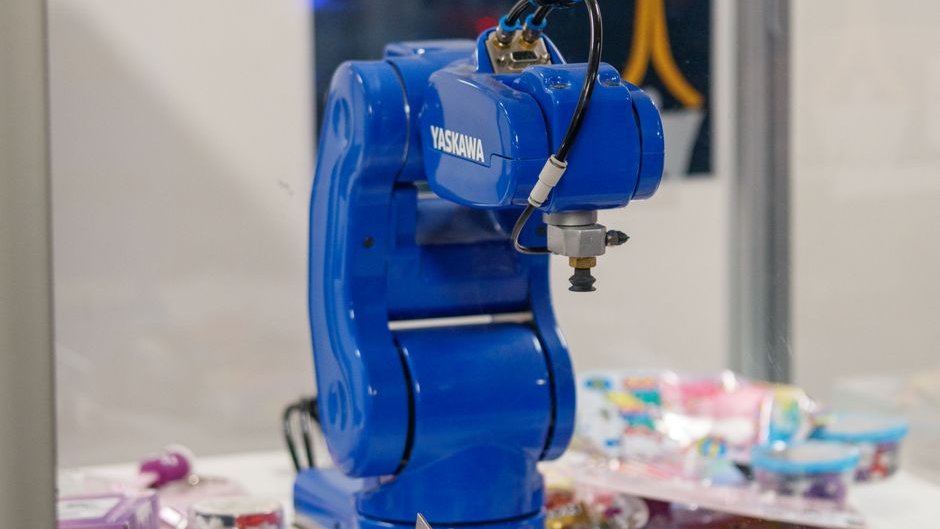
Start by mapping your workflows and pinpointing tasks that are repetitive, error-prone, or consume disproportionate time. These are the areas where AI automation can deliver the most immediate impact. Quality managers and operations leaders should look for patterns, such as data entry, inspection routines, or inventory tracking, that can be standardized and automated. The VENOM Autonomy Kit, which enables AI control without overhauling core systems, shows that integration can be done without disrupting existing operations. This principle applies directly to manufacturing: automation should enhance, not replace, current processes.
Step 2: Pilot AI Solutions on a Small Scale
Once you’ve identified target processes, test AI automation on a small scale before rolling it out broadly. Start with a single line of production, a specific inspection station, or a limited set of data inputs. This allows you to validate the technology, measure performance gains, and refine the implementation. Use real-world data to train AI models, and ensure that human oversight remains in place during the initial phase. As Brig. Gen. James Valpiani noted, the VENOM program enables a “safe, reliable environment for human-on-the-loop experimentation.” This approach minimizes risk and ensures that AI automation aligns with operational goals and quality standards.
What ROI Looks Like: Real-World Benefits of AI Automation
Reduced Manual Work and Increased Productivity
AI automation cuts down on repetitive tasks, allowing teams to focus on high-value work. In manufacturing, this means quality managers can spend less time on manual inspections and more on process improvement. Just as the VENOM Autonomy Kit enables AI to control flight without human intervention, AI systems can handle routine operations like data entry, defect detection, and inventory tracking. This shift leads to faster production cycles and fewer errors.
Operations leaders report that AI-driven systems can process data in real time, reducing bottlenecks. By automating tasks that previously took hours, AI delivers measurable productivity gains. For example, AI in quality control can identify defects at a rate that far outpaces human inspectors, ensuring higher output and better product consistency.
Long-Term Cost Savings and Scalability
While initial implementation may require investment, AI automation reduces long-term costs by minimizing waste and rework. In manufacturing, this translates to lower material costs, fewer recalls, and better compliance. The VENOM program’s ability to integrate AI into existing systems without overhauling core infrastructure shows that AI can scale efficiently, just as it does in production environments.
Scalability is a key advantage, once AI systems are in place, they can be expanded across facilities or product lines with minimal additional cost. This makes AI automation a powerful tool for manufacturing leaders looking to future-proof their operations and drive consistent, long-term value.

Ready to find AI opportunities in your business?
Book a Free AI Opportunity Audit. It is a 30-minute call where we map the highest-value automations in your operation.
The Future of AI Automation: What’s Next for Industry and Defense
From Combat to Commerce: AI Automation Across Sectors
The VENOM program shows AI automation isn’t just a military tool, it’s a scalable solution with applications across industries. Just as the VENOM Autonomy Kit allows AI to control flight without overhauling core systems, manufacturing can adopt similar modular AI tools to automate quality control, logistics, and production line management. The same principles that let pilots toggle between human and AI control in the air can be applied to factory floors, where AI handles routine work while humans focus on strategy.
Defense and industry are converging on AI-driven efficiency. The U.S. Air Force and DARPA have demonstrated that AI can be integrated into existing infrastructure without disrupting operations, a lesson manufacturing leaders can apply immediately. The next step is expanding AI automation from isolated tasks to full workflows, much like the VENOM program plans to do with AI agents managing teams of autonomous aircraft.
Preparing for the Next Wave of AI-Driven Innovation
Operations leaders who wait will fall behind. AI automation is moving from pilot projects to full-scale deployment, and the companies that act now will capture the most value. Start by evaluating where AI can replace repetitive work, in quality control, inventory tracking, or predictive maintenance. The VENOM Autonomy Kit proves that integration doesn’t require a complete system overhaul, and neither does AI in manufacturing.
Expect AI to handle more complex tasks, from real-time decision-making to autonomous coordination across systems. The future belongs to companies that build AI into their operations, not those that wait for it to arrive. The time to act is now, and the tools are already available.
Source: darpa.mil