A Filipino-American customer recently walked into a restaurant in Austin only to find their menu redesigned by AI, and it looked like a horror show. The plates, rendered in a grotesque, uncanny style, felt like a slap in the face to both the food and the business itself. This isn’t an isolated incident. Small businesses are increasingly turning to AI for menu redesigns, but the results are often jarring, unappealing, and disconnected from the brand’s identity.
You’ve probably seen it too, menus that look like they were generated by a confused algorithm. This article will show you why these “ugly AI menu redesigns” are happening, and what small businesses can do to avoid them. The solution isn’t about rejecting AI entirely, but using it wisely, with purpose, not just a button press.
The Disappointment of AI-Generated Menu Redesigns
A recent visit to a Filipino-American restaurant in Austin revealed the growing problem of AI-generated menu redesigns that miss the mark. The menu, created by an algorithm, featured plates that looked like they were rendered by a confused machine. The result was jarring, a disconnect between the food and the visuals that undermined the restaurant’s identity. As one customer noted, “I would rather read a whole menu in Comic Sans than see this garbage.”
Small businesses are turning to AI for cost-effective solutions, but the lack of human oversight leads to results that feel generic and uninviting. These redesigns fail to capture the essence of the brand or appeal to customers. The issue isn’t just aesthetics, it’s about losing the connection between the food and the experience.
What AI Menu Redesigns Actually Are
How AI is used in menu creation
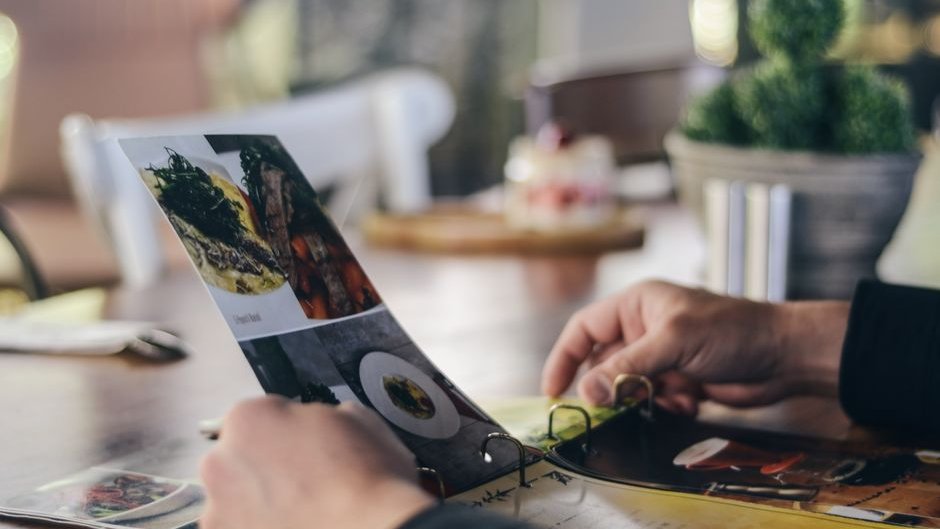
AI menu redesigns involve using algorithms to generate visual content for menus, often based on text descriptions or existing images. Small businesses use this to save time and money, but the results are frequently inconsistent, unappealing, and disconnected from the brand’s identity. The process typically involves feeding AI a prompt, like “spamsilog”, and getting back an image that may bear little resemblance to the actual dish. As one frustrated customer noted, “I would rather read a whole menu in Comic Sans than see this garbage.” This highlights a key issue: AI lacks the nuance and creativity needed to reflect a restaurant’s personality or the authenticity of its food.
Common tools and platforms used by small businesses
Small businesses often rely on AI tools like Canva, Adobe Express, or other design platforms that offer AI-generated content features. These tools are marketed as quick, affordable solutions for creating visuals, but they are not always suited for the specific needs of a restaurant menu. The lack of customization and understanding of food presentation can lead to results that feel generic, off-putting, and even alienating to customers. While these platforms may be easy to use, they are not always the best choice when quality and brand alignment matter.
Why AI Menu Redesigns Are Failing in Practice
Lack of brand identity and customization
AI menu redesigns often fail to reflect the unique character of a business. When an algorithm generates visuals, it lacks the context of a brand’s history, customer expectations, and cultural nuances. The result is generic, soulless imagery that feels disconnected from the food and the experience. A customer who visited a Filipino-American restaurant in Austin described the AI-generated plates as “grotesque” and “uncanny,” highlighting how the visuals undermined the restaurant’s identity.
Small businesses need visuals that resonate with their audience, not just generic outputs. Without customization, AI-generated menus become a missed opportunity to build trust and loyalty.
Overreliance on generic AI outputs
Many small businesses rely too heavily on AI-generated content without proper oversight. The process often involves feeding an algorithm a simple prompt, like “spamsilog”, and expecting a meaningful result. This approach leads to inconsistent, unappealing outputs that can alienate customers.
While AI can save time and money, it cannot replace human judgment in design. Businesses that skip the review process end up with visuals that feel off-putting, like the AI-generated menu that left one customer wishing they could “read a whole menu in Comic Sans” instead.
The Impact on Customer Experience and Brand Perception
Negative first impressions and lost trust
A poorly designed menu is the first thing a customer sees, and it sets the tone for the entire experience. When visuals are off-putting, customers form immediate negative associations. One visitor to a Filipino-American restaurant in Austin described the AI-generated menu as “grotesque” and “uncanny,” a sentiment that can quickly turn into lost trust. If a business can’t get the basics right, customers question the quality of the food, the professionalism of the staff, and the overall value of the experience.
Trust is hard to earn and easy to lose. A menu that looks like it was made by an algorithm without any understanding of the brand or the food is a missed opportunity to build a connection with customers. It signals a lack of care and can drive potential patrons away before they even sit down.
The disconnect between AI output and real-world expectations
AI-generated menus often fail to align with the expectations of both customers and the business itself. A customer who visited the restaurant mentioned that the AI images of the dishes felt “disturbing” and “bad,” creating a jarring contrast between the visual and the actual food. This disconnect can lead to confusion, disappointment, and a failure to meet brand expectations.
Small businesses using AI for menu redesigns must recognize that visuals are not just about aesthetics, they’re about storytelling. When the story told by the AI doesn’t match the reality of the food or the brand, the result is a lost opportunity to engage and retain customers.
What Small Businesses Get Wrong with AI Menu Redesigns
Assuming AI can replace human creativity
Many small businesses assume AI can replicate the creativity and nuance of a human designer, but it can’t. AI generates images based on patterns in data, not on understanding culture, taste, or brand identity. The result is often generic, unappealing visuals that miss the mark. As one customer noted, “I would rather read a whole menu in Comic Sans than see this garbage.” AI lacks the ability to make intentional, context-driven design choices that align with a restaurant’s identity.
Ignoring the importance of visual and cultural context
AI-generated menu redesigns often ignore the cultural and visual context that makes a business unique. A Filipino-American restaurant, for example, needs visuals that reflect its heritage, not a generic, uncanny image that feels out of place. When businesses skip this step, they risk alienating customers who are looking for authenticity. The visuals become a barrier, not a bridge, between the brand and its audience.

Ready to find AI opportunities in your business?
Book a Free AI Opportunity Audit. It is a 30-minute call where we map the highest-value automations in your operation.
Practical Steps to Avoid Ugly AI Menu Redesigns
Combine AI with human oversight
AI can generate visuals quickly, but it lacks the judgment to ensure they align with your brand. A customer who visited a Filipino-American restaurant in Austin described the AI-generated plates as “grotesque” and “uncanny.” This shows that without human input, AI can create visuals that feel disconnected from the business’s identity. Always review AI-generated content with a trained eye, someone who understands your brand, your customers, and the experience you want to deliver.
Use AI as a tool, not a replacement
AI should support, not replace, your design team. It’s useful for generating initial ideas or accelerating the creative process, but final decisions must be made by people. Small businesses that treat AI as a replacement for human creativity end up with generic, unappealing visuals. Use AI to test concepts, but ensure that human judgment is the final step in the process. This approach keeps your brand’s voice intact and avoids the “uncanny” look that turns customers off.
The Future of AI in Menu Design: What to Expect
Improved AI tools with more customization options
Future AI tools will offer more customization, allowing businesses to define style, tone, and even cultural references in menu visuals. This will help avoid the “uncanny” look that has turned off customers like the Filipino-American visitor who described AI-generated plates as “grotesque.” Tools will likely include options to specify fonts, color palettes, and even regional aesthetics, ensuring visuals align with brand identity.
These improvements will be driven by feedback from businesses and customers who have seen the pitfalls of generic AI outputs. As one frustrated customer said, “I would rather read a whole menu in Comic Sans than see this garbage.” That sentiment will push developers to build smarter, more flexible AI design tools.
A shift toward AI-human collaboration in design
AI will increasingly serve as a tool for human designers, not a replacement. This collaboration will ensure that the creative vision of a business is maintained while leveraging AI’s efficiency. Small businesses can use AI to generate initial drafts, then refine them with human oversight to match their brand’s voice and identity.
Expect a rise in hybrid workflows where AI handles repetitive tasks like image generation, and humans focus on curation and alignment with brand values. This approach will prevent the disjointed, unappealing visuals that have become synonymous with “ugly AI menu redesigns.”
Source: blog.fiddery.com