

733 people have already signed a call to protect the right to run local AI, and 64 calls have been made to legislators in 49 states. Yet, the ability to download, own, and run AI models on your own devices is under threat. The line is clear: requiring a license just to use a tool you legally own is not just restrictive, it’s a barrier to innovation and control in your own operations.
You deserve the freedom to inspect, modify, and use AI models without relying on third-party platforms. This article explains why safeguarding local AI rights matters for your business and outlines practical steps to ensure you maintain control over the tools you use, without unnecessary legal or operational hurdles.
The Tension Between Control and Freedom in AI
As AI becomes more central to operations, companies are increasingly caught between the need for control and the right to freely use and modify models locally. Requiring a license to run AI on your own devices introduces friction, delays, and dependency on third parties. This is not just a technical hurdle, it’s a strategic one. When you can’t inspect or modify the models you use, you lose the ability to tailor AI to your specific needs.
The push for control often comes from the same platforms that benefit from locking users into cloud-based systems. But for operations leaders, this means less flexibility, higher costs, and reduced innovation. The freedom to run AI locally is not a luxury, it’s a practical necessity for maintaining control over your data, processes, and outcomes.
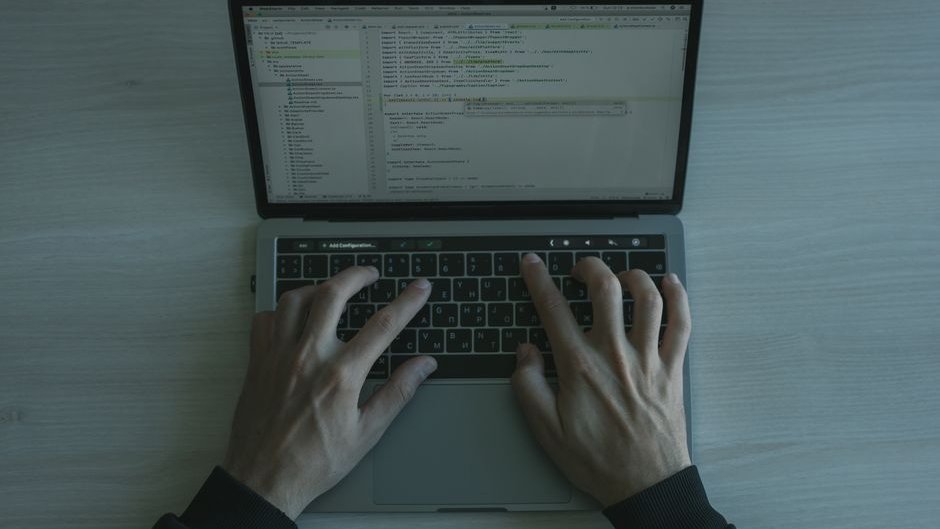
What Local AI Actually Is
Local AI as the next personal computer
Local AI is not a cloud-based service or a rented API. It is a model you can run on your own machine, inspect, and modify without relying on third-party platforms. This is the core principle RTI exists to protect. Unlike traditional cloud-based AI, local AI gives you full control over how and where the model operates.
Just as the personal computer revolutionized how businesses and individuals handled data and software, local AI represents the next step in that evolution. It allows you to run AI models on the hardware you already own, whether that’s a laptop, desktop, or even a phone. This reduces dependency on external platforms and cuts out the need for constant internet connectivity.
Why owning and running models locally matters
Owning and running AI models locally matters because it gives you the ability to inspect, repair, and improve models without asking a platform to stay online. This is not just a technical advantage, it’s a strategic one. When you can modify and study the models you use, you gain the ability to tailor AI to your specific operational needs.
Requiring a license just to use a tool you legally own introduces unnecessary friction and dependency. This is a barrier to innovation and a loss of control in your own operations. The ability to run AI locally is not a luxury, it’s a necessity for modern, agile manufacturing and quality control.
What We Want: Protecting Legal Use and Real Harm
Protecting lawful use of open AI models
The Right to Intelligence (RTI) initiative is clear: people should be free to download, own, run, study, modify, and share open AI models. This is not a theoretical ideal, it’s a practical necessity for businesses that rely on AI for quality control, operations, and manufacturing. The ability to inspect and modify models on your own devices gives you control over how AI functions in your environment.
Requiring a license just to own or run a tool you legally own is not just restrictive, it’s a barrier to innovation and control in your operations. This is the line RTI exists to protect. When you can’t modify or inspect the models you use, you lose the ability to tailor AI to your specific needs.
Enforcing real harm without stifling innovation
At the same time, fraud, cybercrime, CSAM, harassment, nonconsensual intimate deepfakes, discrimination, and sabotage should stay illegal and be enforced seriously. The goal is not to allow harmful content, but to ensure that the law doesn’t weaponize licensing to stifle lawful use.
The red line is clear: the law should not force simple, lawful workloads back into the cloud when the task fits the device. This balance ensures that innovation isn’t stifled, while real harm is addressed with appropriate legal measures.

The Case for Local AI in Everyday Workflows
Running AI on existing devices
You don’t need a data center to run AI. Small open models can operate on the hardware you already own, a laptop, desktop, or even a phone. This eliminates the need for expensive cloud infrastructure and reduces dependency on third-party platforms. For quality managers and operations leaders, this means faster decision-making and control over AI tools without waiting for cloud resources. The ability to run AI locally aligns with the RTI principle that people should be free to use models on their own devices.
Why local AI is not a replacement for the cloud
Local AI is not a one-size-fits-all solution. It doesn’t replace the need for cloud-based AI in complex training runs or large-scale data processing. However, it does offer a practical alternative for everyday tasks that don’t require massive computational power. The law should not force simple, lawful workloads back into the cloud when they can be handled locally. This distinction is key, local AI complements cloud capabilities, not replaces them, and it gives businesses more flexibility in how they deploy AI.
How to Get Involved and Support Local AI Rights
Start with your state and take action
Protecting local AI rights begins with your state legislature. The Right to Intelligence (RTI) initiative has already mobilized 733 supporters and logged 64 calls across 49 states. You can join by providing your state and email, a simple step that helps connect you with the right legislators. This is not a long-term commitment, but a direct way to signal your support for the freedom to run AI models locally. The goal is to ensure laws do not force businesses to rely on third-party platforms for tools they already own and operate.
Join the community and contribute
Support for local AI rights is not just about signing petitions, it’s about building a movement. RTI encourages people to get involved in research, outreach, and data collection. Whether you want to help with analysis, spread awareness, or contribute to the initiative’s website, your skills can make a difference. People like @kingbootoshi and @0xSero are already working in the open to advance this cause. If you’re interested in volunteering, you can reach out directly at volunteer@righttointelligence.org. This is how change happens, through active participation and shared purpose.

Ready to find AI opportunities in your business?
Book a Free AI Opportunity Audit. It is a 30-minute call where we map the highest-value automations in your operation.
The Future of AI Ownership and Responsibility
The role of legislation in shaping AI use
Legislation will determine whether local AI remains a tool for innovation or becomes a relic of the past. The Right to Intelligence (RTI) initiative has already mobilized 733 supporters and logged 64 calls across 49 states. This shows that the push for control by some platforms is not just a technical issue, it’s a legislative one. Laws that force businesses to rely on third-party platforms for tools they already own will slow down AI transformation and limit the ability to adapt models to specific needs.
Legislators must recognize that AI is not just software, it’s infrastructure. When laws require licenses for tools you legally own, they create unnecessary friction. This is not just a problem for developers; it’s a challenge for quality managers and operations leaders who need to deploy AI quickly and efficiently.
What the future looks like for AI in business
The future of AI in business depends on the ability to run models locally. For manufacturing and operations, this means faster decision-making, reduced dependency on third-party platforms, and greater control over AI tools. The ability to inspect, modify, and share models on your own devices is not a luxury, it’s a necessity for real-world applications like AI quality control.
Businesses that embrace local AI now will be better positioned to innovate and respond to changing needs. The future will favor those who can run AI on their own terms, not those who are locked into cloud-based models that require permission to use. The choice is clear: own your tools or be owned by them.
Source: righttointelligence.org