

Lake Tahoe has less than a year to secure a new energy supplier, as Liberty Utilities’ deal with NV Energy ends in May 2027. This timing is no coincidence. AI data center energy demand is soaking up supply, with NV Energy fielding more than 22 gigawatts of data center requests, over forty times Lake Tahoe’s peak consumption. Data center operators, paying top dollar for power, have pushed traditional customers to the margins.
While the mountain town struggles to secure affordable electricity, even well-heeled Silicon Valley homeowners are now exposed. This article unpacks how surging AI data center growth is redrawing energy markets in the West, what it means for your bottom line, and the practical moves you can make to stay ahead as costs climb and supply tightens.
Lake Tahoe Faces a Power Crunch as AI Ignites Regional Energy Demand
Lake Tahoe’s power market is under pressure as AI data centers soak up supply and push electricity prices upward across the region. Liberty Utilities, the provider facing the end of its NV Energy contract, has to compete against hyperscale data center projects that command prices locals cannot match. The sheer disparity is stark, data center operators have the appetite and budgets to snap up whatever capacity is available.
Meanwhile, NV Energy has requests to serve over 22 gigawatts for new data center developments. Traditional customers, residents and business owners, face a shrinking pool of affordable options. The current crunch exposes how regional power grids are being reshaped by surging AI-driven demand, leaving established communities vulnerable to sudden supply shifts and price spikes.
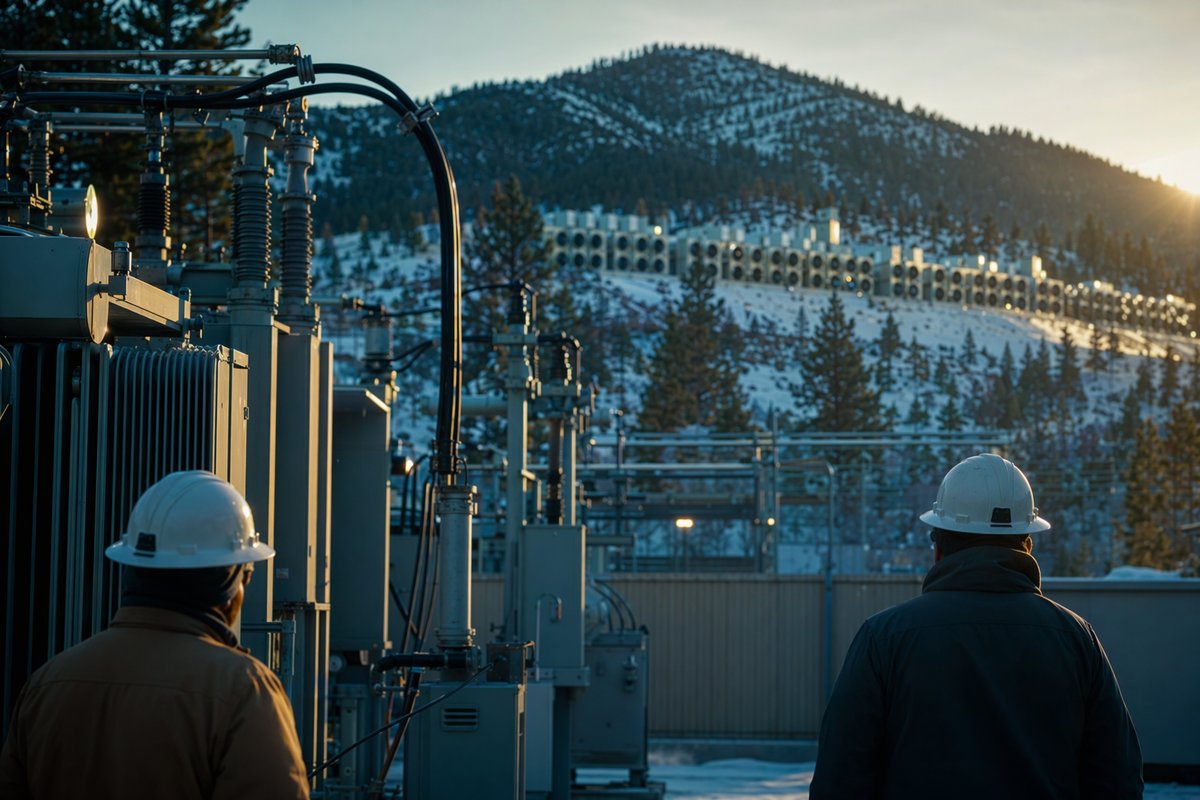
Why AI Data Centers Are Changing the Energy Landscape
22 GW requested by AI tenants vs. Lake Tahoe’s peak load
Hyperscale AI data centers have altered the energy supply equation across Nevada and California. NV Energy has received requests for more than 22 gigawatts of fresh data center load. To put that in perspective, Lake Tahoe’s entire peak consumption is a fraction of this, at least forty times less. This disparity means regional suppliers are under constant pressure from new, large-scale buyers with unrelenting demand. The grid is forced to adapt, diverting power to where the growth is fastest and willingness to pay is highest. Even long-established communities are being edged out as utility contracts expire and priorities shift.
| Buyer | Peak Load/Request | Supply Priority |
|---|---|---|
| Lake Tahoe (residential) | ~0.5 GW | Low |
| AI Data Centers (NV Energy requests) | 22 GW | High |
Power-hungry infrastructure outbidding traditional communities
AI data centers are not just growing, they are outcompeting long-term customers for access to the grid. As noted in the source article, “data center customers willing to pay whatever it takes to get electricity” are pushing aside residential and small commercial buyers. Utilities steer contracts toward these lucrative clients, rather than renewing agreements with legacy customers like Liberty Utilities serving Lake Tahoe. The result: steep price hikes and unreliable supply for communities that once enjoyed stable rates and access.
The escalation is clear in Utah, where a 40,000-acre data center project will soon dwarf the state’s current demand. With AI operators in the market, localities lose bargaining power almost overnight. Whether you manage manufacturing or oversee operations, you cannot ignore the direct impact this has on cost structure and risk exposure. Energy supply is now dictated by who can pay and the scale they require, not by who has the longest history with a provider.
What’s Different About the Lake Tahoe Situation
Grid dependency on Nevada, not California
Lake Tahoe’s electrical system has a fundamental weakness: its power grid is tightly linked to Nevada, not California. This is a big limitation when supply gets tight. The physical infrastructure naturally restricts sourcing options to what is available within NV Energy’s network, or accessible via nearby Western providers. That means Lake Tahoe can’t draw on California’s grid to ease shortages, even when prices spike. This arrangement has worked in steady times, but it exposes the region when demand ramps up, as seen now with soaring requests tied to data center expansion.
NV Energy’s prioritization of large-scale customers puts small communities at the back of the queue. Operators in Nevada and Utah, pursuing hyperscale projects, absorb new capacity as soon as it comes online. Lake Tahoe’s reliance on a single regional provider leaves it highly vulnerable when supply contracts expire or shift. And in a crunch, the grid does not favor local residents or small business demand.
Limited alternatives after the Liberty Utilities–NV Energy contract ends
When Liberty Utilities’ contract with NV Energy ends in May 2027, Lake Tahoe faces sharp limitations. There are no easy alternatives. NV Energy’s future power is already spoken for, directed toward clients with deep pockets. The search for another supplier will be both urgent and complicated because the grid connection rules restrict choices to providers within Nevada’s system or regional Western options.
- Fewer sourcing options: The power lines are already configured for NV Energy. Switching suppliers requires complex negotiations and infrastructure updates.
- Supply risk: New contracts come with higher prices, unpredictable supply terms, and likely upfront costs.
- No backup from California: Even affluent communities like Lake Tahoe cannot simply tap into California’s surplus, given their grid alignment.
Competing for electricity in this context is an uphill battle, especially when larger, enterprise AI projects are swallowing up new energy allocations across the Western United States.
Practical Implications: What Manufacturing and Operations Leaders Need to Watch
Benchmarking local energy supply vulnerability
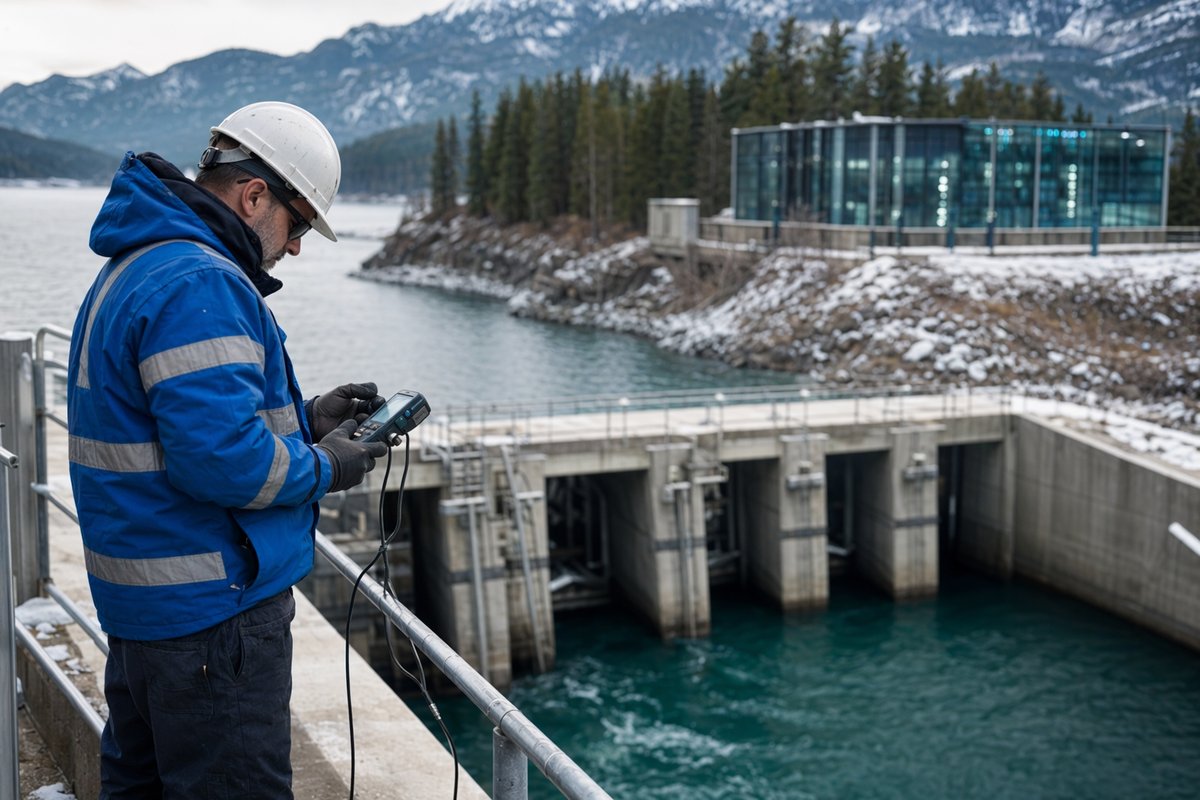
Every operations leader should know how exposed their site is to power shortages and price hikes. Start by mapping your energy sourcing: who supplies you, where their grid ties run, and what governs contract renewals. Lake Tahoe’s predicament shows the risk of having infrastructure tied to a single territory (in their case, heavily linked to Nevada’s grid). If a major supplier, like NV Energy, shifts priority to big data center clients, traditional businesses can find themselves boxed out. Assess your risk if your supplier faces competing bids from hyperscale buyers. Compare your site’s peak load with the region’s new entrants; if your usage is dwarfed by theirs, expect prices to ratchet up or service to become uncertain.
Evaluating future power contracts amid AI-driven demand
Negotiating power contracts in an environment where NV Energy fields requests for “more than 22 gigawatts of load” is fundamentally different. Fixed contracts with soft renewal clauses are vulnerable. Ensure any new agreement addresses sudden demand shifts by large-scale buyers. Scrutinize your supplier’s exposure to AI data center expansion and pin down clauses around rate increases, priority allocation, and contingencies for supply interruption. If you’re offered a renewal, treat the pricing as provisional, suppliers today are under pressure to serve clients willing to pay premium rates for capacity. Look to industry-standard tools for tracking regional consumption trends and forecast models from trusted sources like Bloomberg. Avoid being blindsided by surging prices or forced to scramble for supply if your contract is deprioritized.
- Grid dependency map: chart local transmission and vulnerability to demand spikes
- Contract stress test: simulate scenarios where large AI clients absorb available power
- Supplier reputation: review recent decisions and public filings for signs of shifting priorities
Operations and manufacturing leaders who treat energy as a strategic risk, not just a utility expense, will be better prepared for abrupt changes driven by AI data center energy demand.
Ready to find AI opportunities in your business?
Book a Free AI Opportunity Audit. It is a 30-minute call where we map the highest-value automations in your operation.
Looking Ahead: Data Center Growth and the New Cost Reality
Expect continued upward price pressure across the Western US
AI’s expansion isn’t slowing. Large-scale data center projects, like the approved 40,000-acre development in Utah, are set to draw extraordinary amounts of power. When these sites alone plan to consume more than double the entire state’s current usage, traditional electricity customers can expect no respite. Utilities, including NV Energy, face huge load requests that will continue to prioritize hyperscale buyers. This dynamic is going to ripple through every market in the West, pushing electricity prices higher and straining supply further. Businesses with local operations will bear the brunt as supply contracts get harder to renew and rates climb.
Today, the entire state of Utah uses about 4 gigawatts. Demand at that scale is almost certain to drive prices up throughout the region.
Price pressure extends beyond headline-making tech clusters. Secondary manufacturing, logistics, and even residential supply are forced to compete against deep-pocketed AI data center operators. Expect annual budgeting to get more unpredictable, with less favorable contract terms and more frequent mid-cycle adjustments.
Strategic responses for enterprises reliant on stable, affordable energy
Operations leaders cannot afford to treat energy sourcing as a routine, set-and-forget cost. Instead, take proactive steps:
- Conduct scenario analysis: Model the impacts of price spikes and contracted supply. Make contingency plans for sudden shifts in provider or rate.
- Audit infrastructure dependencies: Map out grid connections, understanding whether your site is tied to one supplier or region. Diversify where possible.
- Negotiate longer-term contracts carefully: Secure terms that lock in rates beyond the typical renewal cycles, but keep escape clauses if regional dynamics change.
- Pursue on-site generation options: Solar, battery storage, and even microgrid solutions can reduce exposure to regional volatility.
What works today might be obsolete as AI data center energy demand accelerates. Executives should treat energy strategy as a competitive advantage, not a background process. Plan for volatility, or risk being surprised by steep price hikes and supply disruptions.
Source: techcrunch.com